
The Ultimate Guide to the Amalfi Coast (And Why You Need to Stay a While)
Let me save you from the biggest mistake people make on the Amalfi Coast: treating it like a day trip.
I've watched it happen a hundred times. Tour buses and ferries descend upon Positano from Sorrento or Naples, dump a few hundred people into Positano for three hours, everyone takes the same photo from the same viewpoint overlooking the town with the ceramics on the terrace, buys a lemon-printed anything, walks through the only crowded street in the center of the town, and gets back on the bus or ferry. They'll go home and tell their friends they've "done" the Amalfi Coast. They haven't. They've done a parking lot with a view and they’ll say Positano is “crowded and overrated.”
The Amalfi Coast isn't a checklist of places to take photos that you saw on Instagram or TikTok; it's a place you settle into. Alex, Leila, and I have returned again and again over the years, and every trip has reinforced the same lesson: this coastline reveals itself slowly. The magic isn't in the postcard shot (though the postcard shot is real). It's in the third morning, when you walk by Da Vincenzo after having dinner there the night before and Raffaele remembers you and says hi. It's in the evening passeggiata when the day-trippers have evaporated and the town exhales. It's in having the time to deeply explore the coast, sail the seas, and hike the mountains. It’s in making the Amalfi Coast home for a brief period.
So here's my rule, and I'm not budging on it: give the Amalfi Coast a minimum of 4-7 nights. More if you can swing it. Unpack your bags. Learn the rhythm. Become a temporary local instead of a permanent tourist.
Now let's talk about where to base yourself and what to actually do.
Where to Stay on the Amalfi Coast: Choosing Your Town
Every town on this coast has its own personality, and choosing your base is the most important decision you'll make. Here's how I'd break it down.
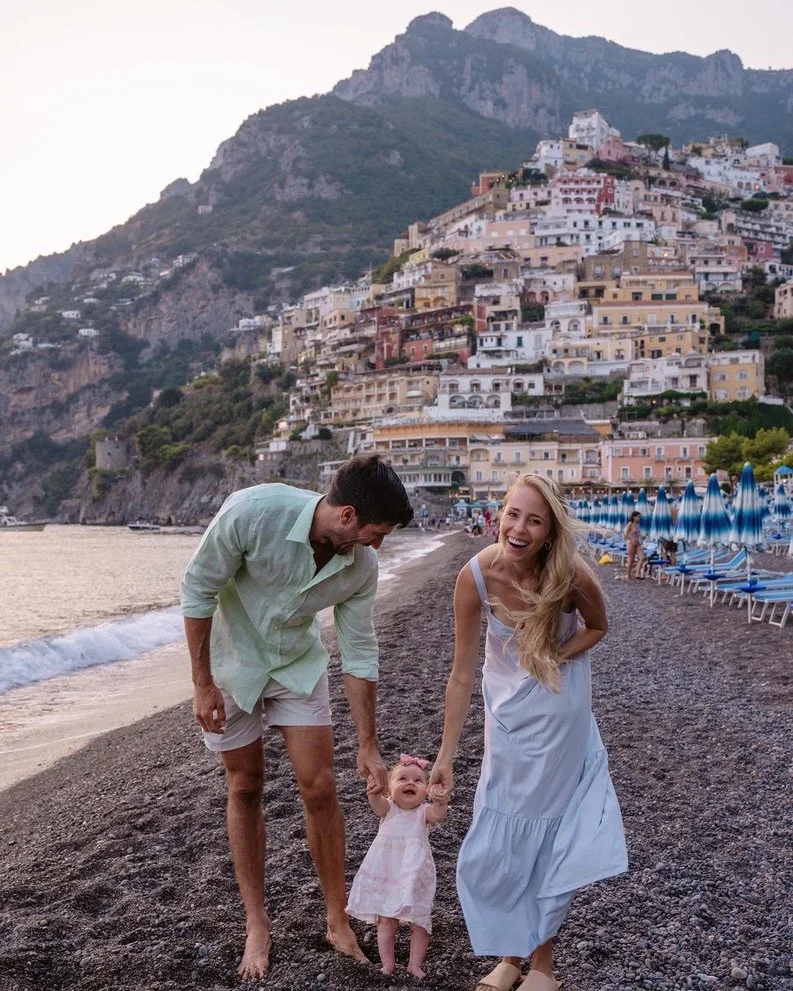
Positano is the heart of the Amalfi Coast. The vertical stack of pastel buildings tumbling into the sea is even more stunning in person that it is on your feed. It's also the most expensive and most popular, but here's the thing: stay overnight and you get the two versions of Positano the day-trippers never see — sunrise when you hear the boats starting to move on the water and late night, when the light goes golden and the streets belong to the people who actually sleep there. If it's your first trip, stay here. I'll die on this hill.
Nerano is where the Neapolitans go, which tells you everything. Technically on the Sorrentine side, this tiny fishing village has one of the best swimming bays in the region and a food scene that punches absurdly above its weight (more on that later). If your dream trip is boat-swim-eat-repeat, base here.
Amalfi is the coast's namesake and its historical heavyweight — once a maritime republic that rivaled Venice. It's flatter and more walkable than Positano, has a magnificent cathedral anchoring the main piazza, and works beautifully as a central base since the ferries and buses radiate out from here. Amalfi is also home to my favorite place to have lunch on the Amalfi Coast, Agricola Fore Porta.
Praiano is my answer when someone says, "I want Positano views without Positano prices." It sits between Positano and Amalfi, catches arguably the best sunsets on the entire coast, and moves at about half the speed. You'll need private drivers, buses, or boats to get around, but that's a feature, not a bug.
Ravello floats 365 meters above the sea and you feel as if you’re with the gods looking down on the sea. This is the coast's cultured soul — The Villa Rufolo and Villa Cimbrone gardens are legitimately jaw-dropping, and the summer music festival is world class. It's quieter, cooler, and more romantic than anywhere at sea level. No beach, but you didn't come to Ravello for a beach.
Atrani is Amalfi's next-door neighbor — a ten-minute walk away — and the smallest town in Italy. It's what Amalfi looked like before tourism found it: a proper piazza where actual residents drink actual coffee, laundry strung between buildings, and prices that will make you double-check the menu. Sleep here, walk to Amalfi.
Minori is my sneaky choice. Fewer crowds, a real beach, ancient Roman villa ruins, and a legitimate claim as the pastry capital of the coast (Sal De Riso's pastry shop alone justifies the trip). It's where you stay when you want the coast without the circus.
There are several other towns worth noting, Cetara, Furore, Conca dei Marini, Vietri Sul Mare, etc. and each one offers something special and unique. You honestly can’t pick a bad spot.
I highly recommend clients choose private villas/apartments on the Amalfi Coast. This provides a much more comfortable, spacious, and authentic experience. There are several world class hotels, but my preference is always a private villa. Fatto a Mano Travel has access to some of the best villas on the Amalfi Coast through personal relationships with the owners.
Should you choose a hotel, here are some of the best options.
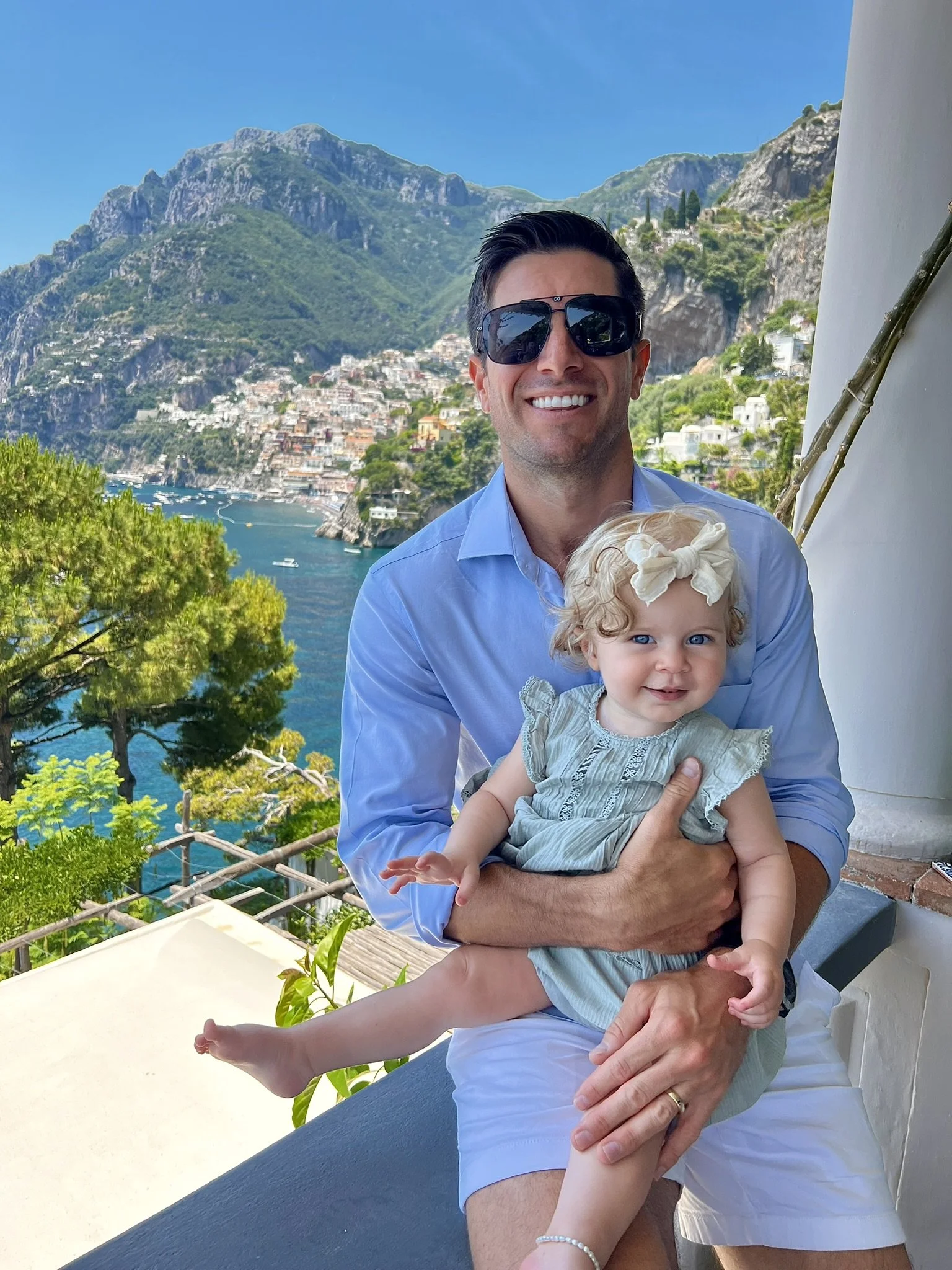
Best Hotels on the Amalfi Coast
Villa TreVille — Positano
Franco Zeffirelli's former estate, now a 14-suite hideaway of terraced gardens and antique-filled rooms above Arienzo. It feels less like a hotel than like borrowing a very rich friend's house — no lobby, no check-in desk, just staff who already know your name.
Il San Pietro di Positano — Positano
Built into the cliff face south of town, with a private elevator carved through rock down to its own beach club and boat dock. Bougainvillea spills over every terrace, and the service is quietly the best on the coast.
Le Sirenuse — Positano
The Sersale family's 18th-century villa turned hotel is the coast's defining grande dame, all coral-red walls and Vietri tile. Its Franco's Bar terrace and Michelin-starred La Sponda (400 candles lit nightly) are institutions in their own right.
Borgo Santandrea — Conca dei Marini
The coast's most exciting opening in decades: a mid-century building reimagined with 31 different handmade tile patterns and floor-to-ceiling sea views in every room. Rare direct beach access via elevator plus an infinity pool makes it a genuine rival to the Positano old guard.
Caruso, A Belmond Hotel — Ravello
An 11th-century palazzo perched 1,150 feet above the water, with frescoed salons and what may be the most photographed infinity pool in Italy. Open seasonally, roughly April through mid-October.
Palazzo Avino — Ravello
The "pink palace" is Caruso's warmer, more family-run counterpoint, with Michelin-starred Rossellinis and a beach club shuttle down at Marmorata. Slightly better value than its neighbor without giving up the view.
Hotel Santa Caterina — Amalfi
Family-owned since 1904 and still the classic choice in Amalfi town, with lemon groves terracing down to a saltwater pool and beach platform. Grand rather than trendy — think old-money Italian rather than design-magazine.
Punta Tragara — Capri
Technically Capri rather than the coast proper, but no list is complete without Le Corbusier's cliffside villa staring straight at the Faraglioni. Two heated seawater pools and the best terrace view on the island.
Monastero Santa Rosa — Conca dei Marini
A 17th-century monastery converted into just 20 rooms, with terraced gardens and an infinity pool cantilevered over the sea. The most serene property on the coast — this is where you go to disappear.
Casa Angelina — Praiano
An all-white, art-filled minimalist counterpoint to the coast's antique-heavy norm, perched above Praiano with 180-degree views toward Positano. Its beach club is reached by a private shuttle and elevator down the cliff.
The Top Things to Do on the Amalfi Caost
1. Take a Private Boat Tour
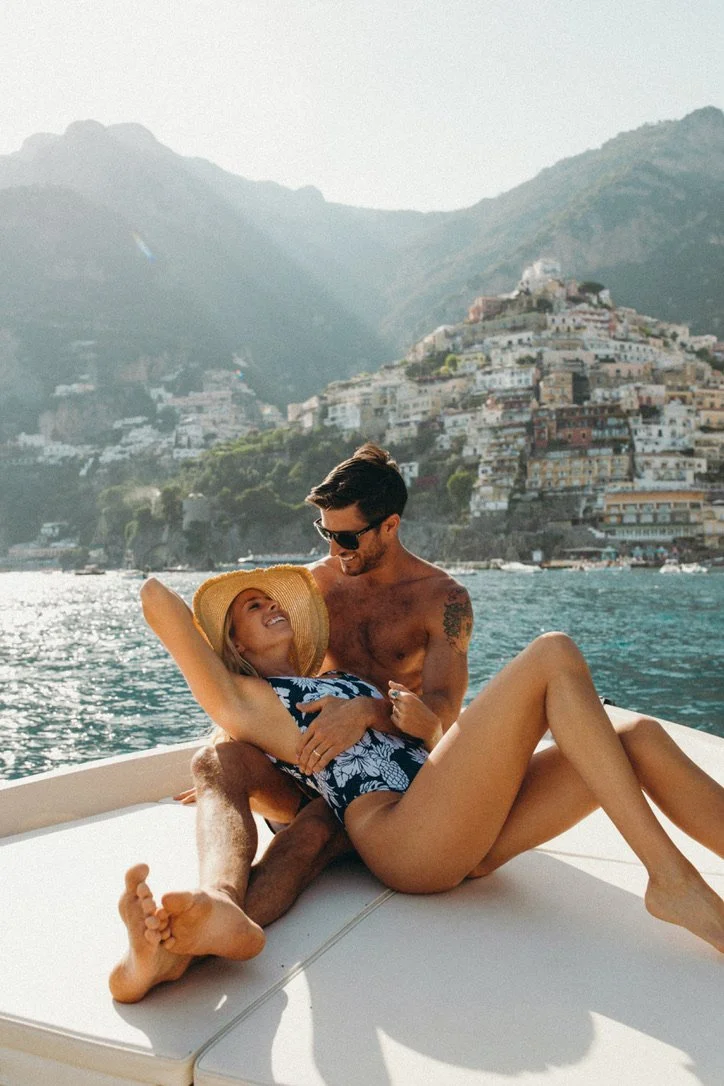
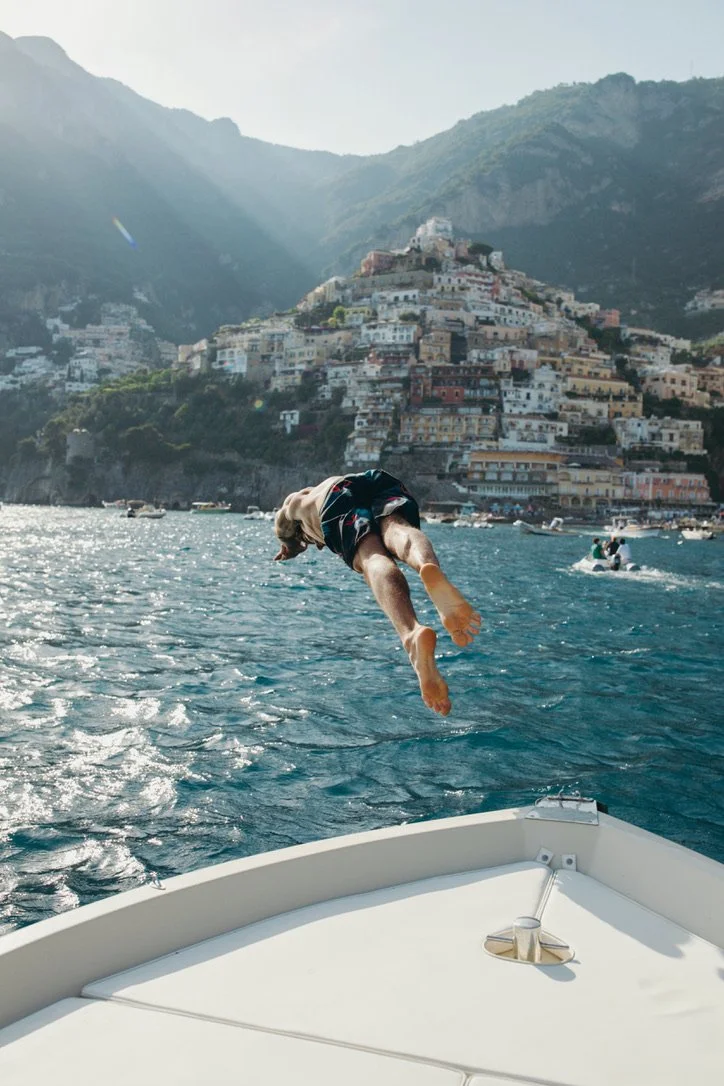
If you do exactly one splurge on this trip, make it this one. The Amalfi Coast was built to be seen from the water — for most of its history, the sea was the only road — and no land-based viewpoint compares to floating below those massive cliffs.
Skip the group tours with their fixed routes and 40 strangers. Hire a private captain. Ours is Marco, and after years of trips together he's become less of a captain and more of a close friend who happens to own a boat. He’s a local of the Amalfi Coast and knows which grottos are empty at which hour, where the fish are, which cove is perfect for a swim before lunch, and exactly when to pull up to a dock so you walk straight into your reservation smelling of salt water and sunscreen. That's the difference between a boat ride and a boat day. A good captain is worth every euro; a great one changes your entire trip.
2. Hike the Path of the Gods
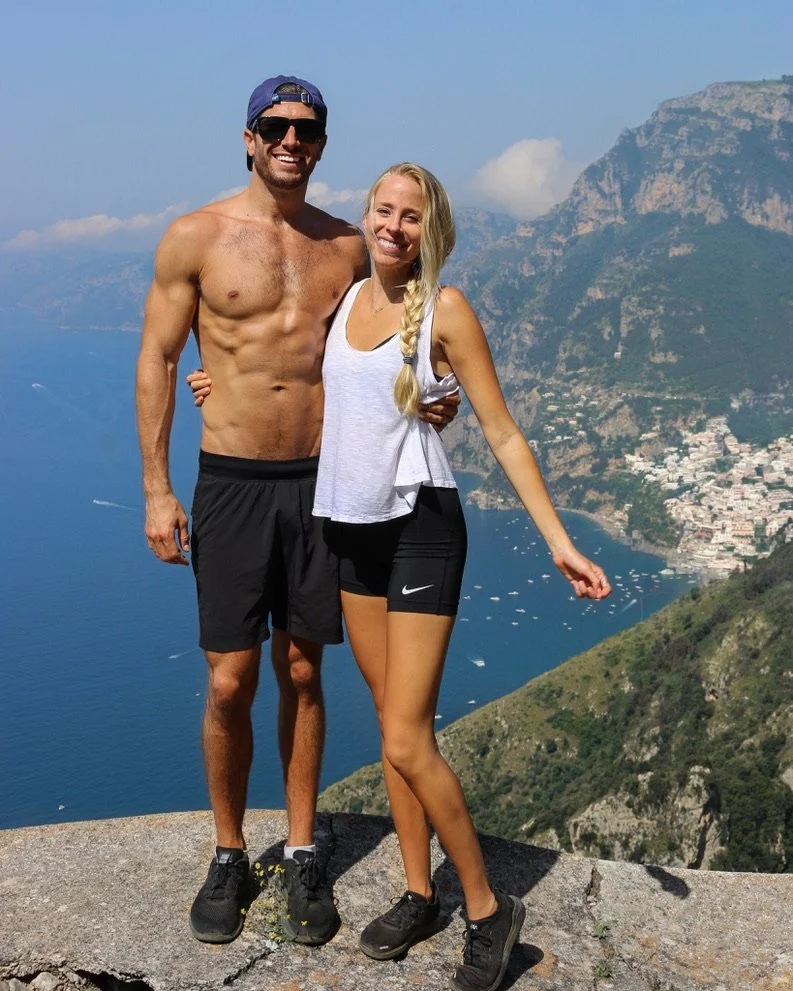
The Sentiero degli Dei — the Path of the Gods — is one of the great hikes of the world, and I don't say that lightly. The trail runs high along the cliffs from Nocelle to Bomerano, roughly 7-8 kilometers (one way), and the entire route is a slow-motion reveal of the coastline below: terraced vineyards, wild rosemary, cliffs plunging into impossibly blue water, the sound of cattle bells, sheep dogs roaming and sometimes stopping to say hi, and Capri hovering on the horizon like a mirage.
Start early — both for the light and to beat the heat — bring real shoes and more water than you think you need, and walk from Nocelle to Bomerano (or stop and turn around whenever you choose). When you get back to Positano, enjoy a well-earned lunch and a swim at Da Pupetto or Da Adolfo.
Invariably, I recommend my clients see the Amalfi Coast 1) From the sea and 2) From up on the mountains on this hike.
3. Take Day Trips (Because You Have the Time)
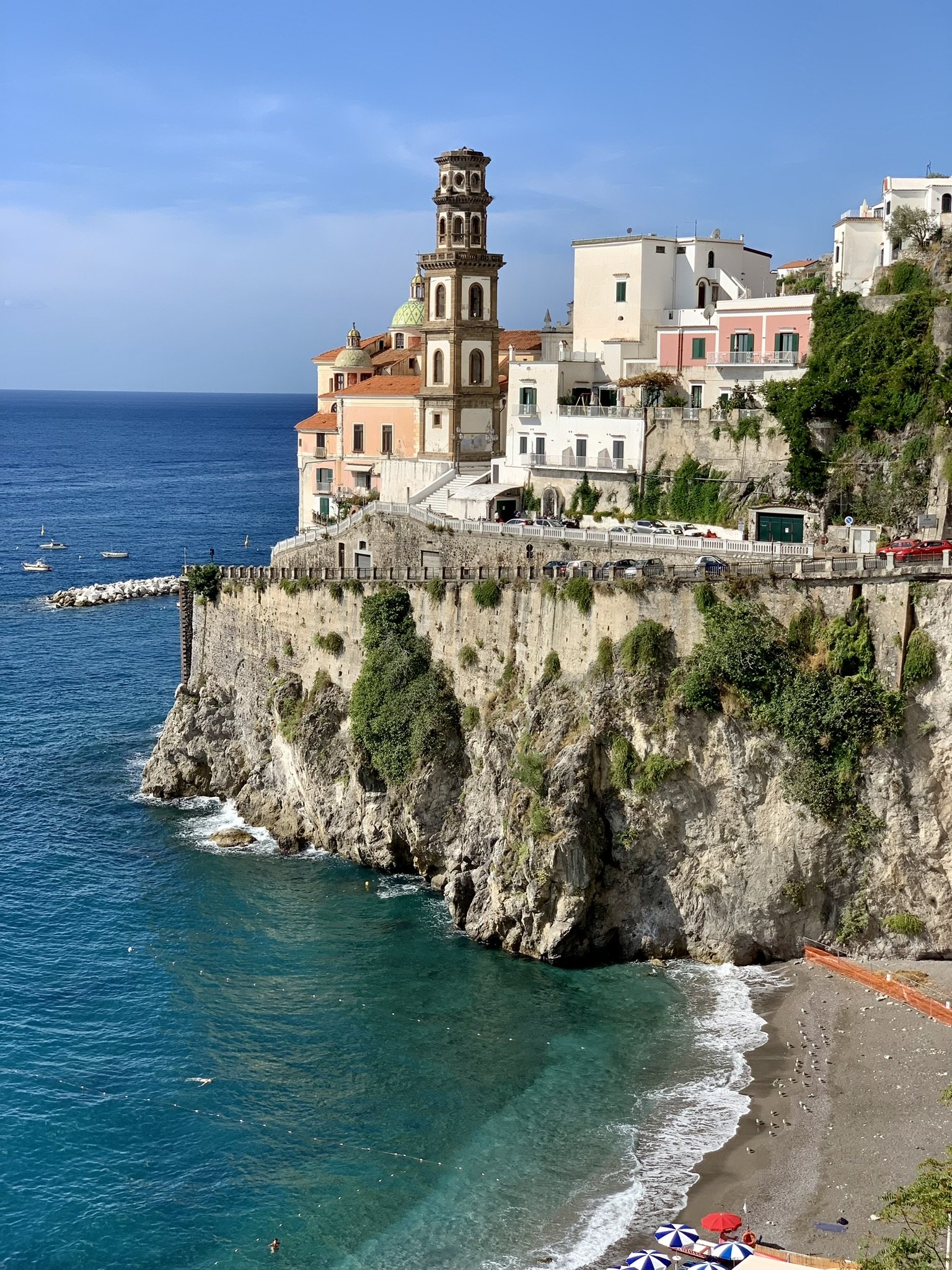
Here's the beautiful irony of settling in for a week: you can take day trips instead of being one. There is a way to do day trips right, in a sustainable way that supports the local town. Hire a private tour guide, dine at a local agriturismo or trattoria, shop in a local artisan’s store (instead of buying a trinket likely made in China from a street vendor), and try your best to make local friends. Day trips are notorious for bringing crowds and not money, so be cognizant of this and bring the money. It’s unfair to contribute to over tourism without contributing to the local economy.
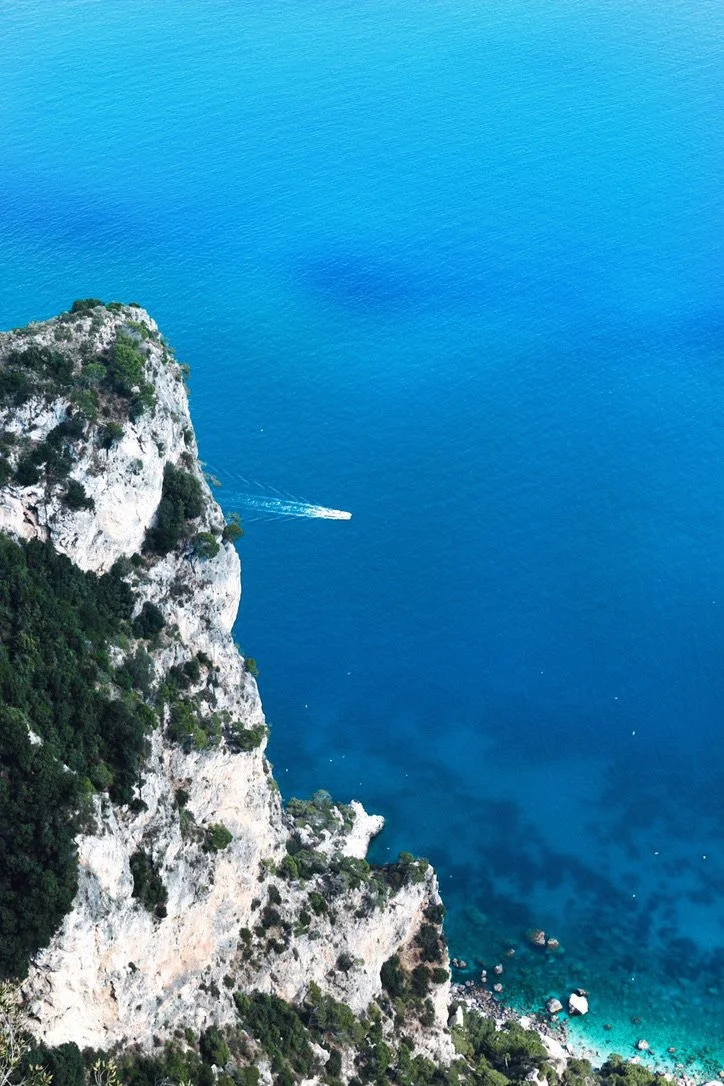
Capri is the obvious one, and it deserves better than the cattle-boat treatment. Go early or, better yet, have Marco run you over — arriving in the Marina Grande on your own boat is a feeling I wish for everyone. Ride the chairlift up Monte Solaro from Anacapri, swim off the rocks, and stay for lunch (my picks below). Capri gets a bad rap for being touristy, and midday in the piazzetta, it is. But the edges of the island are still magic.
The other coast towns If you listen to me and base in Positano, take the ferry to Amalfi, Atrani, and Ravello for a day. Head to Minori and enjoy ndunderi, pastries, and a swim at the beach. Head up into the mountains above Amalfi to Scala or Agrigento and visit a mozzarella farm. I love creating bespoke day trips so my clients can see more than just the few popular towns.
Naples is the day trip most people skip, and most people are wrong. It's 1.5 hours away, gloriously chaotic, hospitable, and home to the best pizza on the planet — this is not a debate, this is settled law. Grab a pizza at Sorbillo, visit the National Archaeological Museum (where the good stuff from Pompeii actually lives) and you have a perfect day. Naples is the espresso shot to the coast's limoncello — you need both.
4. Spend a Day at Fornillo Beach
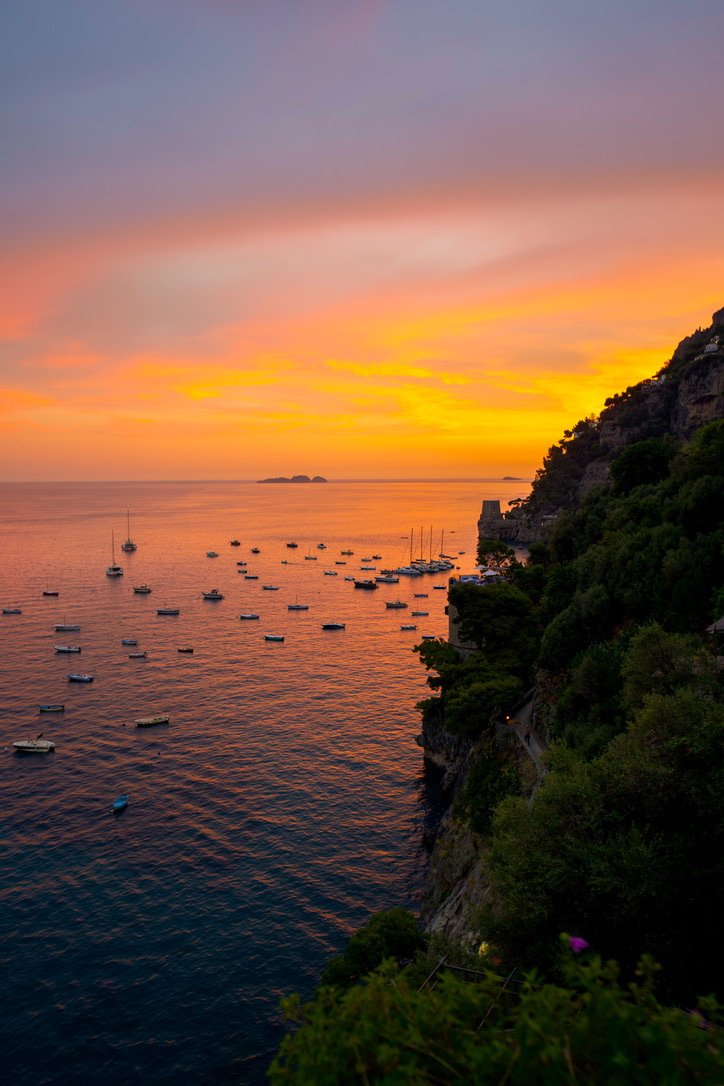
Everyone crowds onto Positano's main beach, Spiaggia Grande, elbow to elbow with the day-trippers. Meanwhile, a ten-minute walk along the cliffside path from the pier delivers you to Fornillo — quieter, more local, and where Alex, Leila, and I spend our actual beach days.
Here's the play: rent chairs at Pupetto Beach Club, claim your spot, and settle in for the day. The move is ordering lunch directly to your chair. A plate of spaghetti alle vongole, fresh ravioli, pizza, fresh caught fish, juicy watermelon, and a drink of your preference while your feet are still wet and covered in tiny pebbles is one of life's great uncomplicated pleasures. Swim, read, eat, nap, repeat. This is a full-day, not a two-hour stop, which is exactly why the bus crowd never figures it out. They don't have the time. You do.
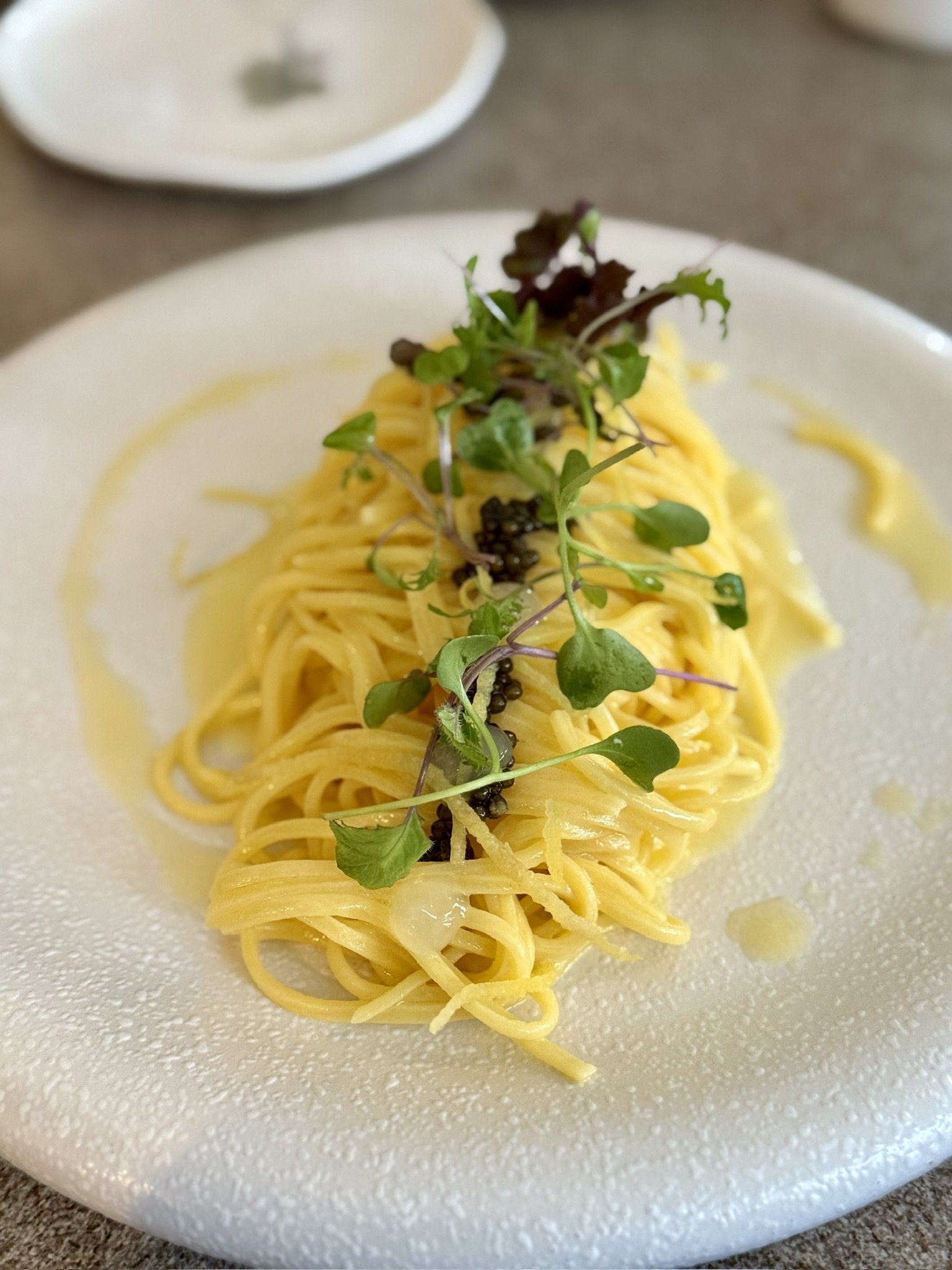
Next2
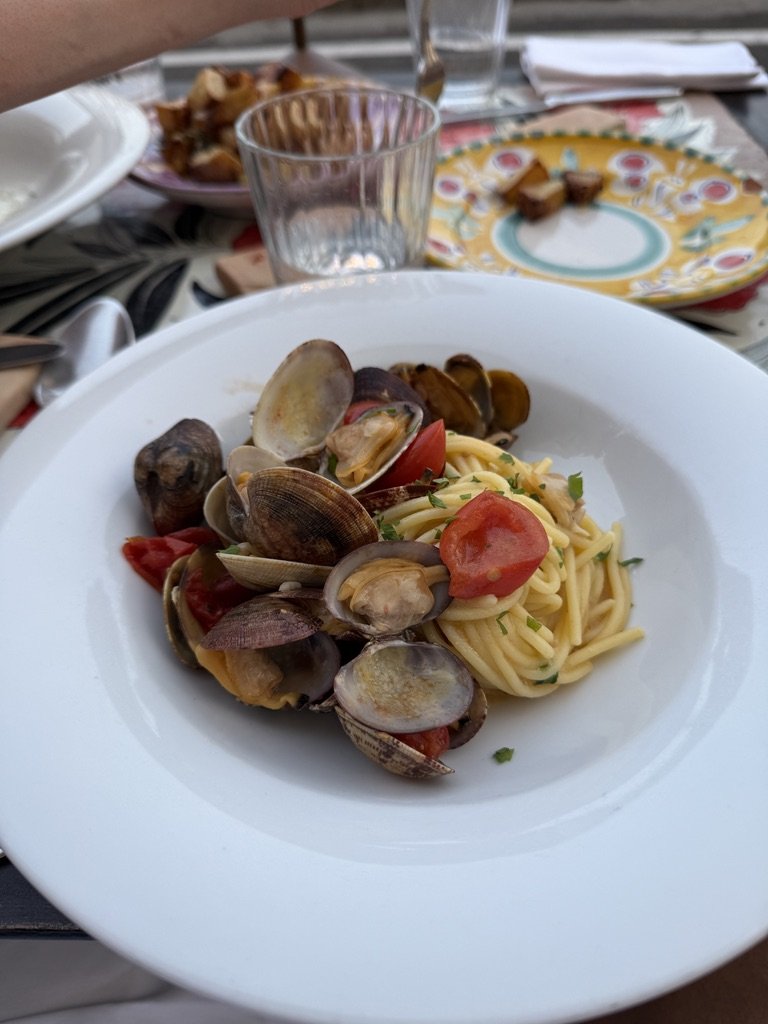
Da Vincenzo
5. Eat Everything: Local Seafood and Fresh Pasta
The Campania region feeds you like it loves you. Seafood pulled from the water that morning, pasta made by hand that afternoon, lemons the size of your face, and tomatoes that will ruin every tomato you eat back home. The dish you must order — repeatedly, until you're mildly embarrassed — is spaghetti alla Nerano: spaghetti with zucchini, basil, and Provolone del Monaco, invented in the tiny village of the same name. Deceptively simple, borderline spiritual. Order the catch of the day, order the polpo, order whatever the waiter's eyes light up about. My #1 recommendation at a new restaurant is to let the waiter bring you his or her favorites. No need to order.
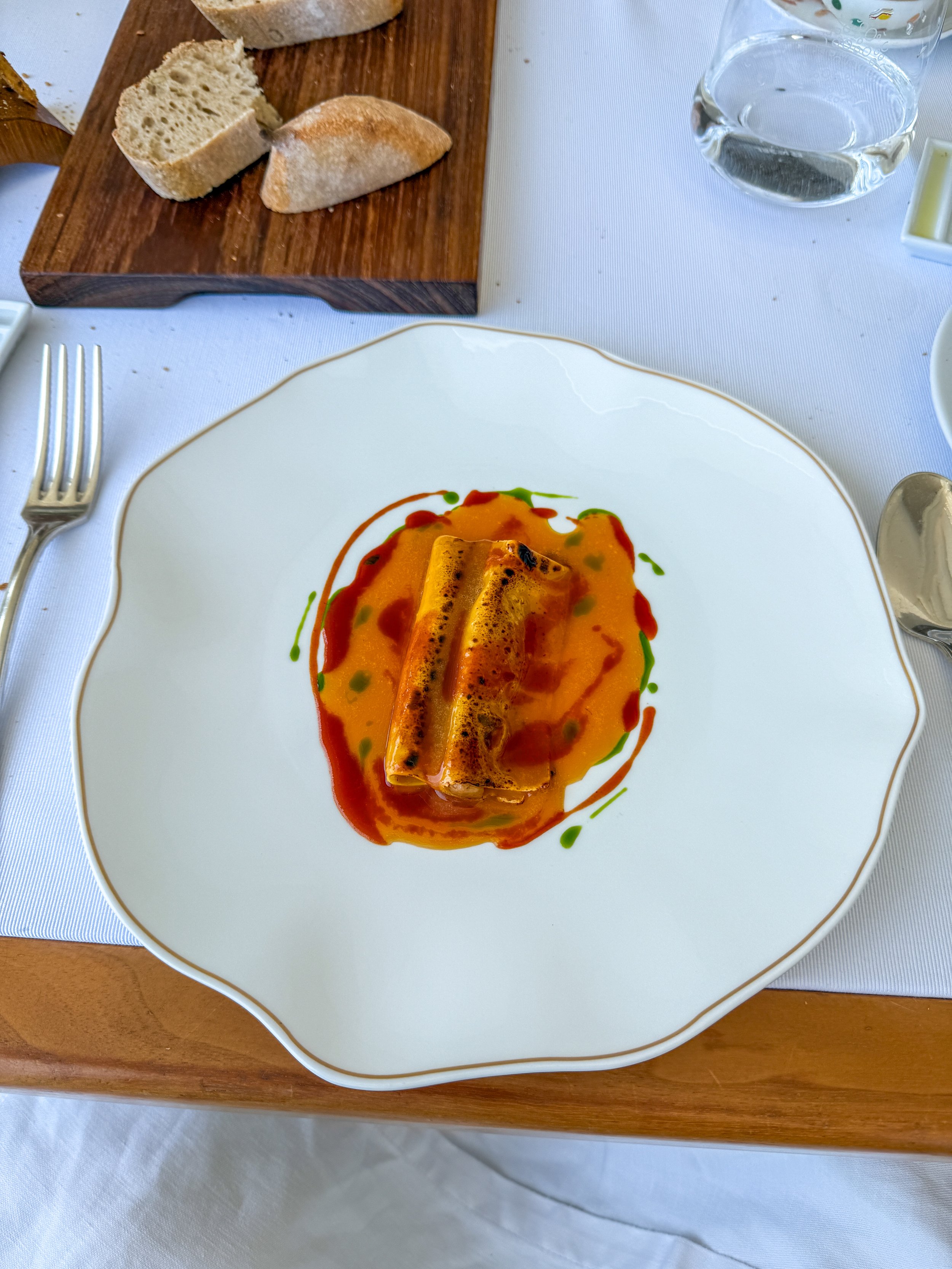
Quattro Passi
Best Restaurants on the Amalfi Coast
After years of dedicated, entirely selfless research, here is a non-exhaustive list of a few of my favorites on the Amalfi Coast. This is intentionally incomplete, and intended merely to highlight a few favorites.
Positano:
Da Vincenzo — A Positano institution run with genuine warmth. The seafood is impeccable, and it feels like eating at grandma’s house. Say hey to our good friends Raffaele, Vincenzo, Federica, and more. The list is too long to name everyone, but we love you all!
Next2 — Sleek, contemporary, and consistently one of the best meals in town. Come here when you want a proper date night. Chef Eugenio is a genius and a friend and we love the family who owns this place - Tanina, Carmela, Vito <3
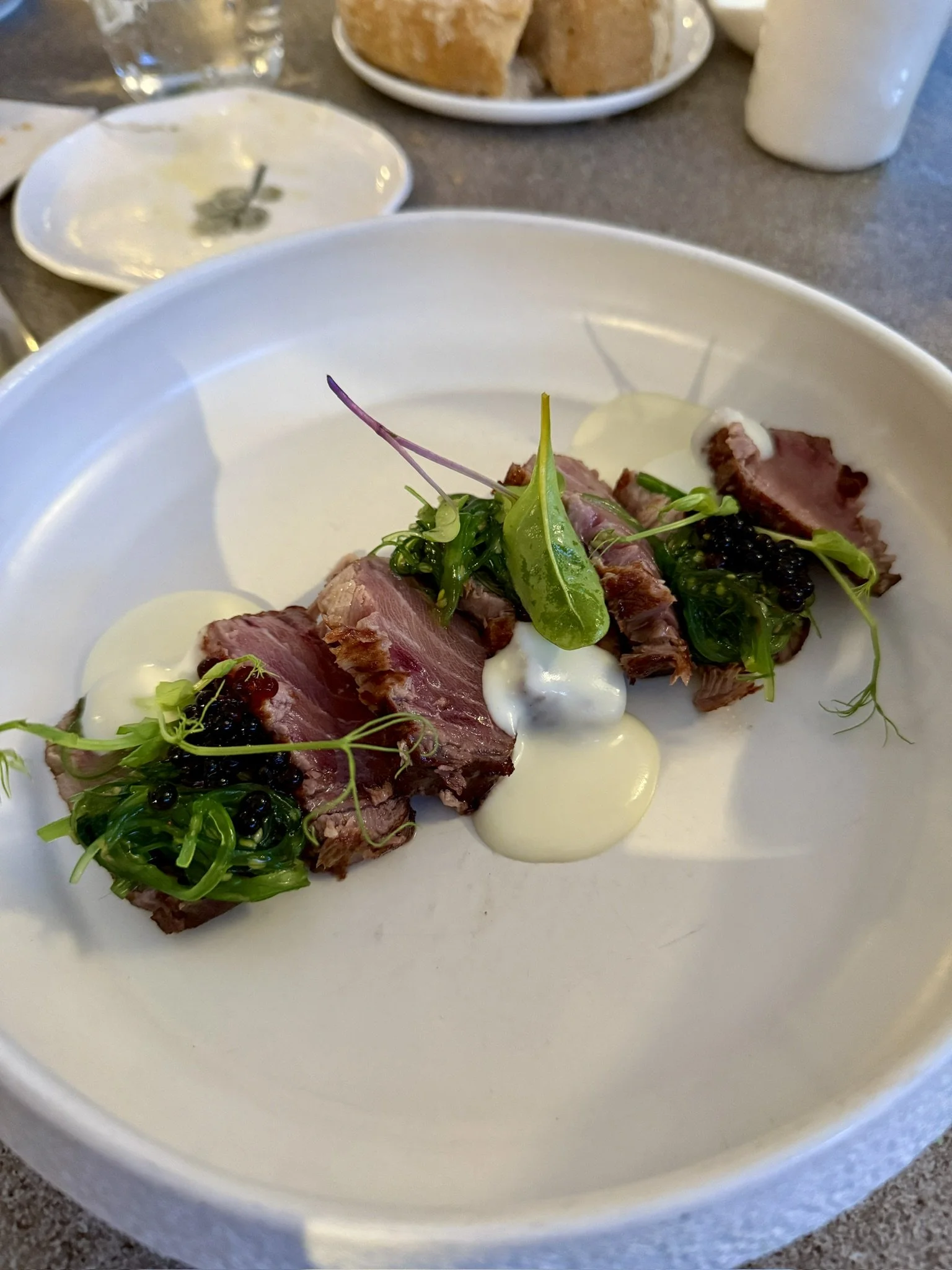
Next2
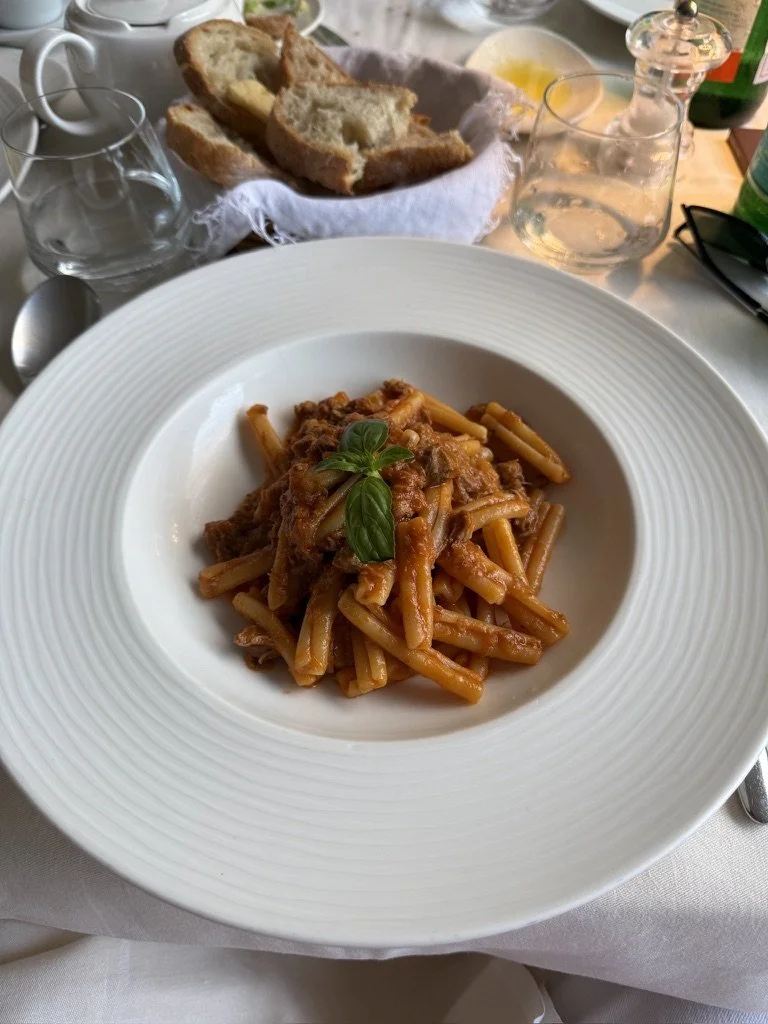
Taverna del Leone
Taverna del Leone — Just outside town toward Praiano and worth every minute of the journey. Locals eat here and we always feel like family when we are welcome by our good friend and owner Giuseppe.
Saraceno d'Oro — My pizza spot in Positano. Unpretentious, reliable, exactly what you want after a long beach day.
Casa e Bottega — Breakfast and lunch headquarters. Fresh juices, beautiful lighter fare, and a welcome break when your body starts begging for a vegetable.
Da Adolfo - Few experiences can top a short boat ride to a private cove where one can indulge in some of the best fresh pasta and fish on the planet with one’s toes in the sand/pebbles. Da Adolfo is a must on every Positano itinerary.
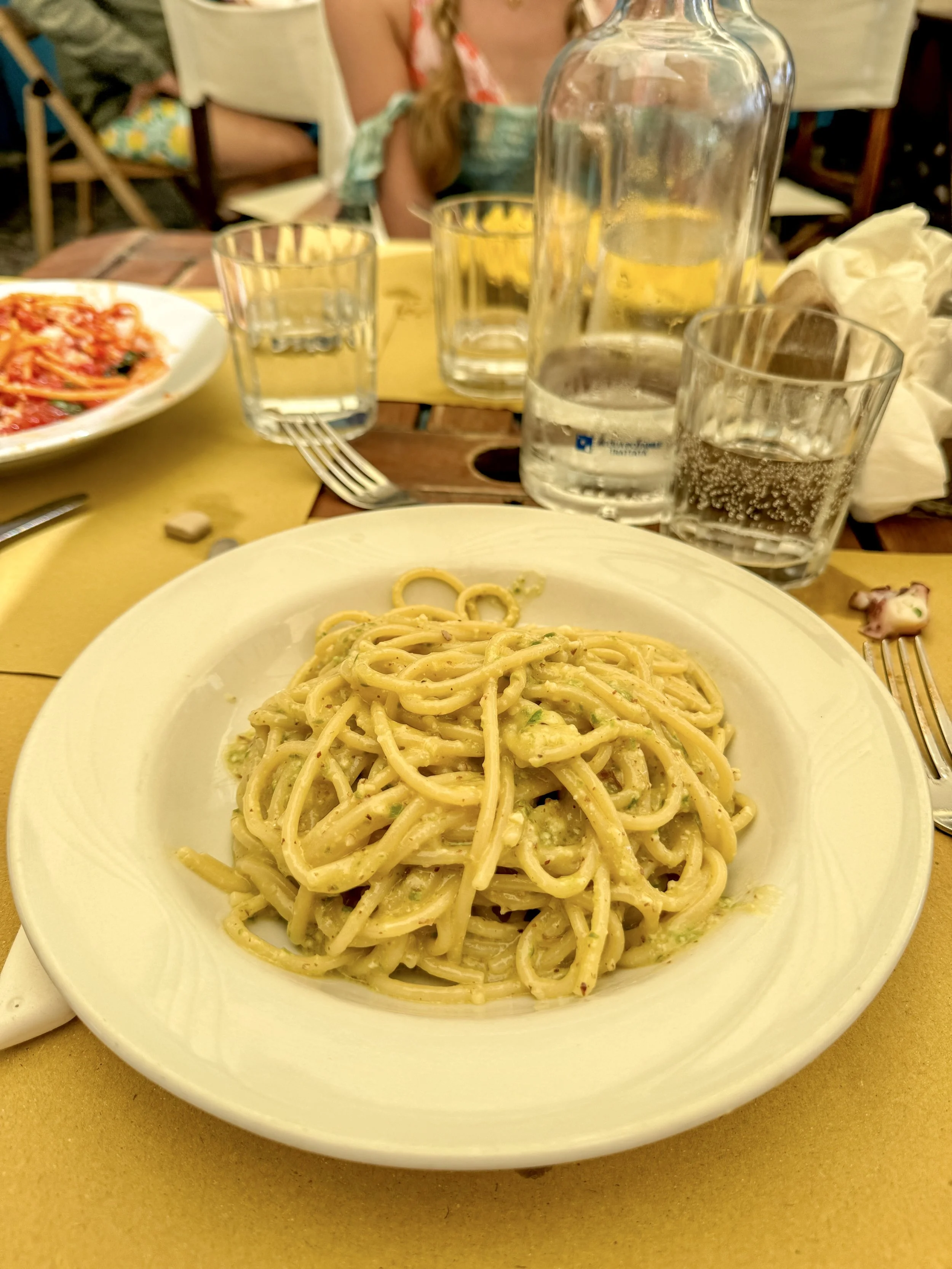
Da Adolfo
Agricola Fore Porta
Amalfi:
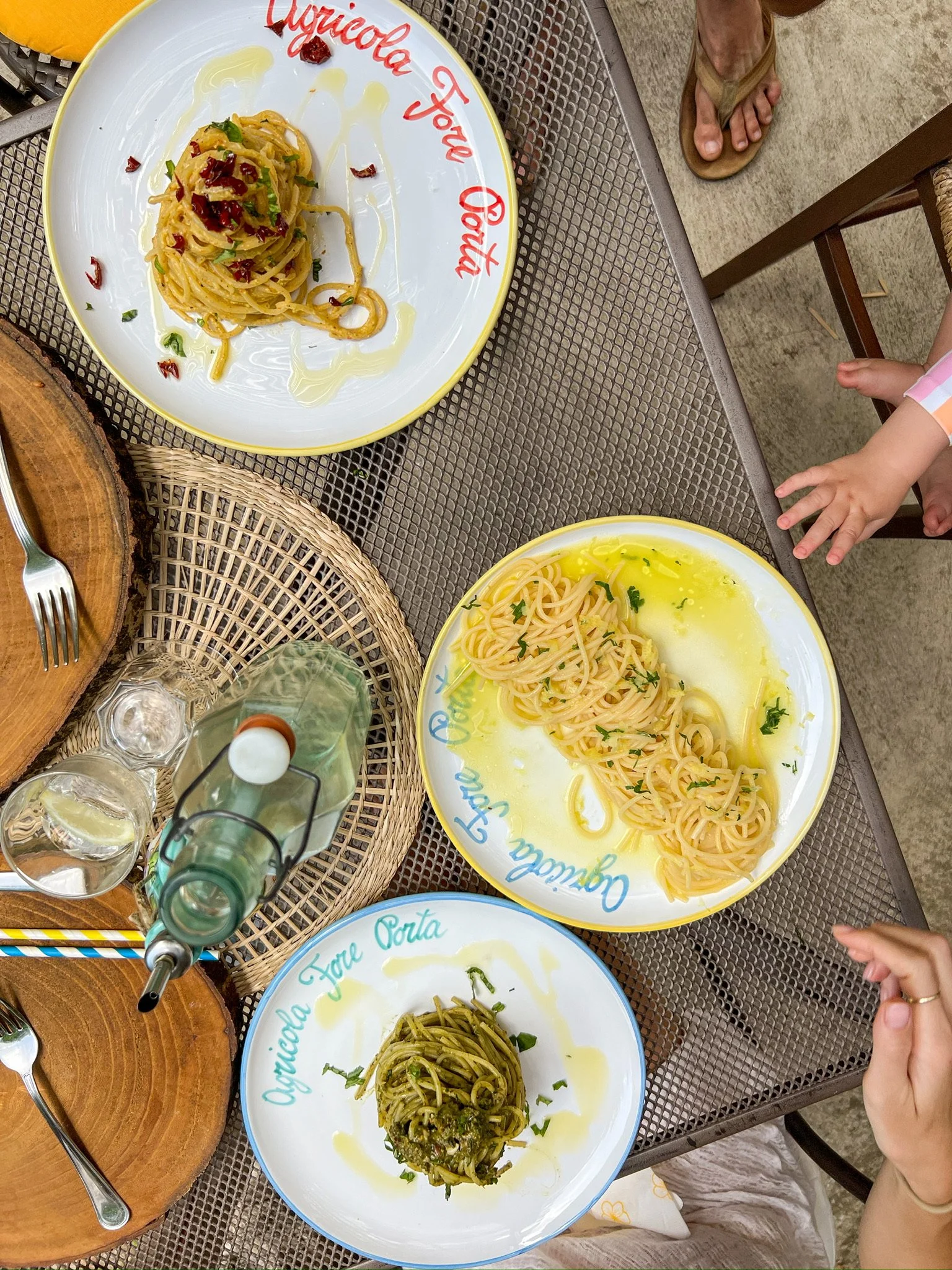
Agricola Fore Porta — A farm-to-table gem tucked above the town amid lemon terraces. Everything comes from their land, and you can taste it. Silvia and her family always take great care of our clients! This is my favorite lunch on the Amalfi Coast.
Nerano:
Quattro Passi — Three Michelin stars for a reason. Extraordinary, and one of the key reasons Nerano is on your itinerary. Book ahead and come hungry. Chef Fabrizio Mellino and the other members of the Mellino family will ensure you have one of the best meals of your life! (Note - Quattro Passi was unable to reopen during the summer of 2026, but I’m hopeful they will be able to for 2027. They are currently running lots of private events.)
Capri:
Da Gelsomina — Up in Anacapri with vineyard views and a pool you can use before lunch. This is what people mean when they say la dolce vita.
Gennaro Amitrano — Tucked near the Marina Grande, refined without being fussy. The best kind of special occasion.

Da Michele
Sorbillo
Naples:
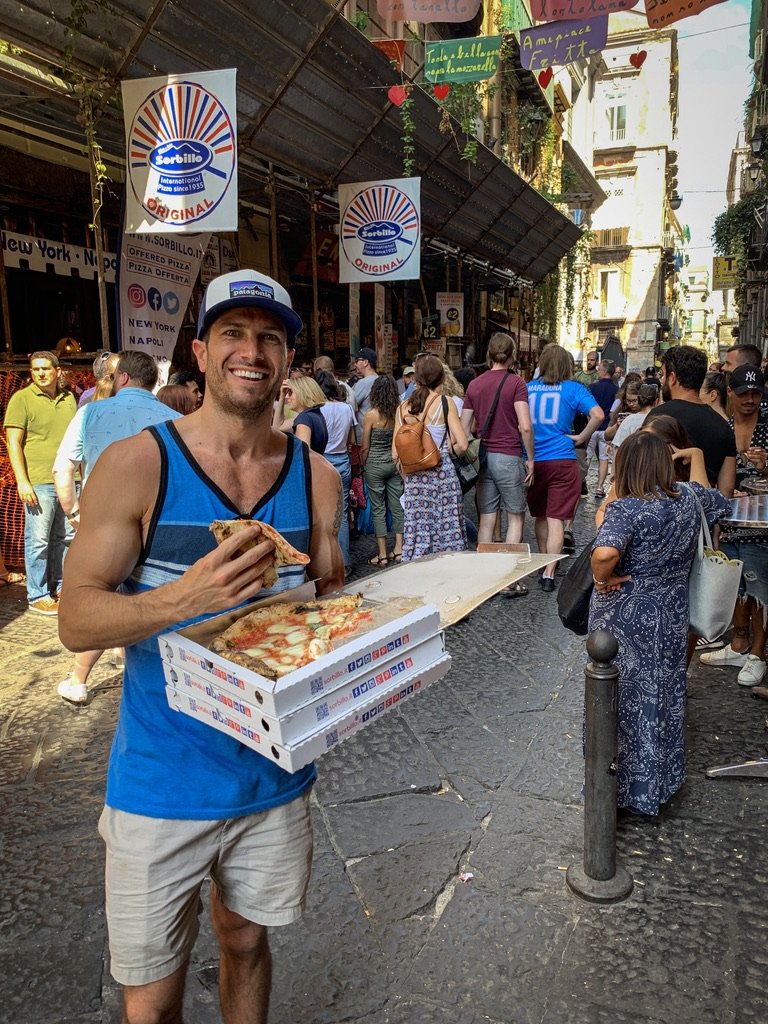
Sorbillo — When you take that Naples day trip, this is your pizza pilgrimage. Yes, there's a line. Yes, it's worth it. A pizza margherita here costs less than your Positano cappuccino and will rearrange your understanding of what pizza can be.
L’Antica Pizzeria da Michele - Why choose just one of the best pizzerie in Napoli when you can choose both? Da Michele are the godfathers of pizza and you’ll see why after you visit their original location in Naples.
Minori:
Sal De Riso Ristorante & Bistrot - Italy's most famous pastry chef expanded beyond his legendary Minori pasticceria in April 2023, opening a 400-square-meter restaurant next door on the seafront with floor-to-ceiling windows and an open kitchen, wine cellar, and oven. The menu runs from traditional pastas and pizza to fish and grilled meats, but the real reason to come is dessert — De Riso's delizia al limone and ricotta e pera are the benchmark against which every other version on the coast is measured. You must also try the ndunderi, a traditional pasta from Minori.
Support Local Businesses
Fatto a Mano Travel always aims to create sustainable experience for our clients. These experience support local businesses, artisans, restaurants, etc. It’s the #1 most mutually beneficial way to ensure clients have the best experience and the local community benefits. Skip the cheap trinket souvenirs and buy what is unique to the local destination. On the Amalfi Coast, my two favorites are locally made linen clothing and locally made ceramics. Here are my favorites:
Blue Positano - Owned by our close friends Lucienne and Antonio, they have a location in Positano and Praiano. Lucienne designs and makes the clothing locally and in Positano. Everything is gorgeous and about half my closet are button down shirts from Blue.
La Bottega di Brunella - Another wonderful local clothing store owned by our friend Brunella. She makes the clothes right there in her Positano shop and everything is incredibly fashionable.
Ceramica Assunta - They make everything from small espresso cups (we have a bunch) to plates and even large pieces of art. They also ship globally if you’re afraid of breaking your purchases during your return trip home.
The Bottom Line
The Amalfi Coast rewards patience. Stay 4-7 nights minimum. Pick your town, unpack, and let the place work on you. Hike the Path of the Gods on the clearest morning. Spend a full day on the water with a captain who knows the coast like family. Take the ferry to lunch. Eat spaghetti alla Nerano in Nerano. Watch the sunset from Praiano with nowhere to be.
The day-trippers will come and go, snapping their photos of a place they never actually visited. You'll have found a new home.
That's the difference. That's the whole point.
Andiamo.