
How to Experience Venice Like a Local: The Authentic Venice Most Travelers Never See
Thirty million people visit Venice every year. Most of them see the city for about six hours — cruise ship in, Piazza San Marco, a gondola photo, a mediocre lunch with a laminated menu, cruise ship out. They leave convinced Venice is a beautiful theme park.
Here's the number that should change how you travel there: fewer than 48,000 real Venetians still live in the historic center. In 1951, there were 175,000. Overtourism, short-term rentals, and rising prices have pushed families to the Lido and to the very mainland from which the original Venetians escaped, and at the current pace the city could fall below 40,000 residents by 2030. Venice is not a theme park — it's a living city fighting to stay one.
Which means an "authentic" Venice experience isn't just about better photos and shorter lines. It's about traveling in a way that puts your money and your attention into the community that keeps the city alive: the guides, the artisans, the boatmen, the restaurants where Venetian is still spoken behind the bar.
After fifteen years of traveling through Italy and after having just spent a week exploring the best that Venice has to offer, here's how I'd tell my closest friends to do it.
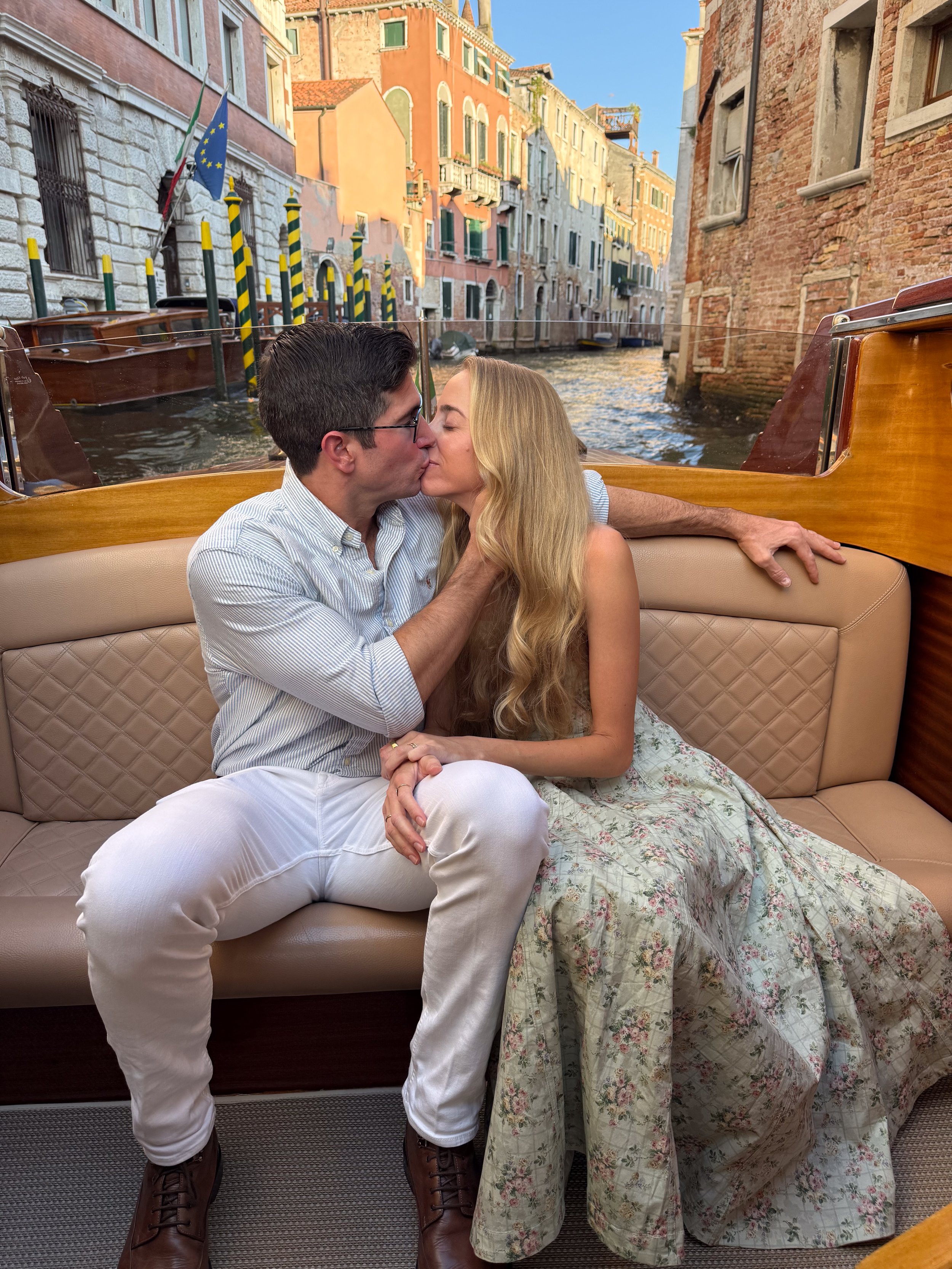
1. Stay overnight — it's the single biggest decision you'll make
Roughly 80% of Venice's visitors don't sleep there. Which means the city has two completely different identities: the crush between 10am and 5pm, and the Venice of early morning and evening, when the day-trippers vanish and the city exhales.
At 7am, Piazza San Marco is empty except for street sweepers and the sound of bells. At 10pm, you can stand on the Accademia Bridge and have the Grand Canal almost to yourself. These hours are not a nice bonus — they are the entire point. Stay several nights and truly immerse yourself.
Private villas booked directly with locals are the most sustainable way to support the Venetian community and live like a local while you’re there. Fatto a Mano Travel has partners with incredible portfolios of properties.
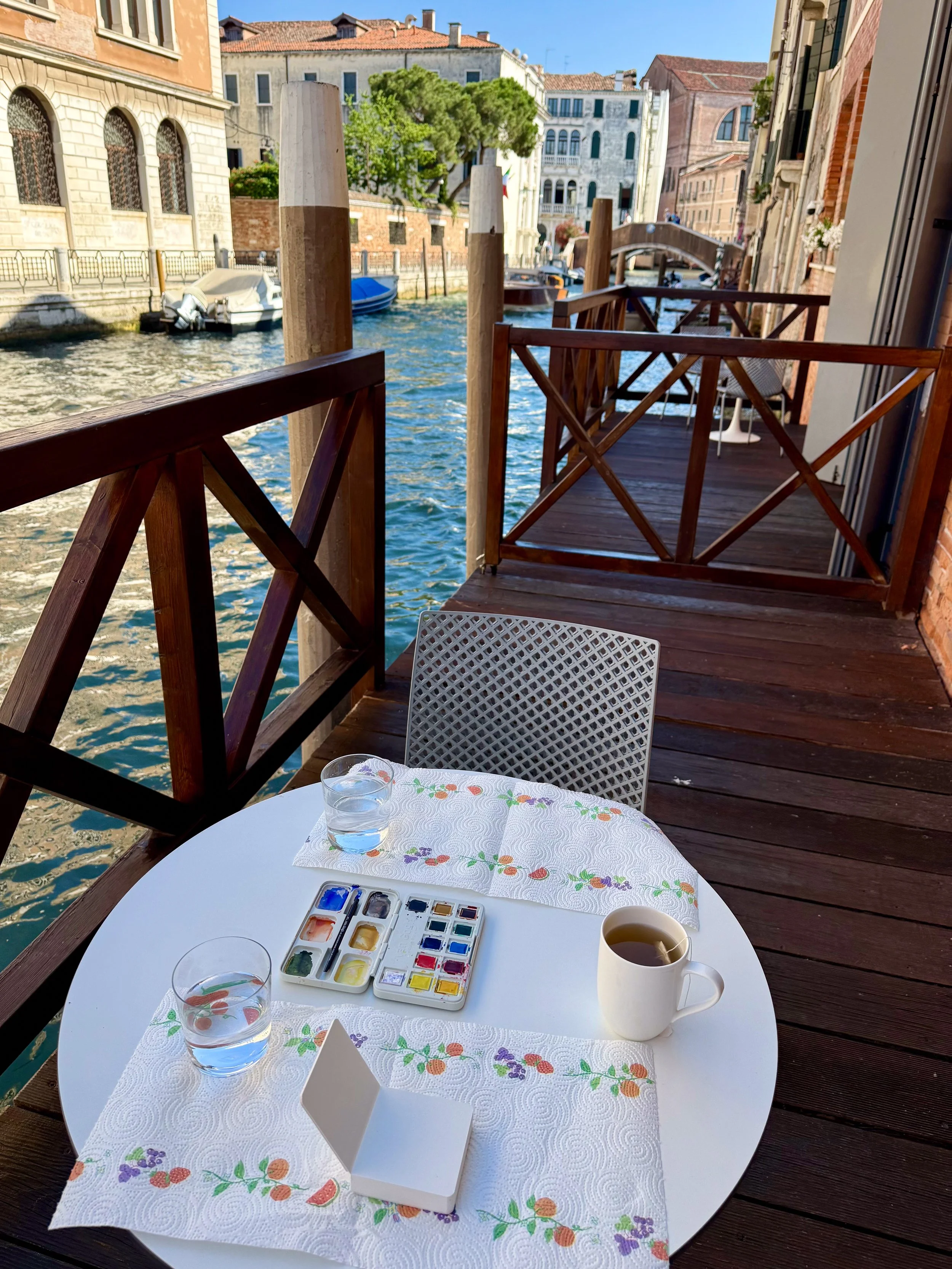
2. Stay in Castello or Dorsoduro
Venice is divided into six districts (sestieri), and where you base yourself shapes your entire trip. San Marco is magnificent, but staying there means living inside the highest-traffic zone in the city. Base yourself instead in one of the two sestieri where Venice still feels like itself:
Dorsoduro — the artistic soul of the city. Home to the Peggy Guggenheim Collection, the Accademia, students, and some of Venice's best casual dining. Evenings along the Zattere promenade, with the sun setting over the Giudecca Canal, are quietly spectacular.
Castello — the old shipbuilding district around the Arsenale, the largest and most residential sestiere. Laundry lines crisscross the calli, kids play in the campi, and tourism thins out block by block the further east you walk.
3. Eat your way into the culture — standing up and sitting down
If you do one "local" thing in Venice, make it the cicchetti ritual. Cicchetti are Venice's answer to tapas — small bites (creamy baccalà mantecato on bread, sarde in saor, polpette) eaten standing at the counter of a bacaro, washed down with an ombra, a small glass of wine that costs a couple of euros. A proper giro d'ombre (bacaro crawl) through Cannaregio or around the Rialto market is one of the best meals in Venice.
But don't stop there. Venice's cuisine — lagoon seafood, risotto al nero di seppia, moleche (soft-shell crabs) in season — is a direct expression of its history as a maritime republic trading between East and West, and the city's best restaurants are where that culture is on full display. Book the great tables. Eating brilliantly here isn't indulgence; it's cultural immersion, and it keeps serious kitchens alive in a city drowning in tourist menus.
We loved Wine Bar 5000.
A simple rule anywhere in the city: if the menu has photos, keep walking. If you hear Venetian being spoken behind the bar, sit down.
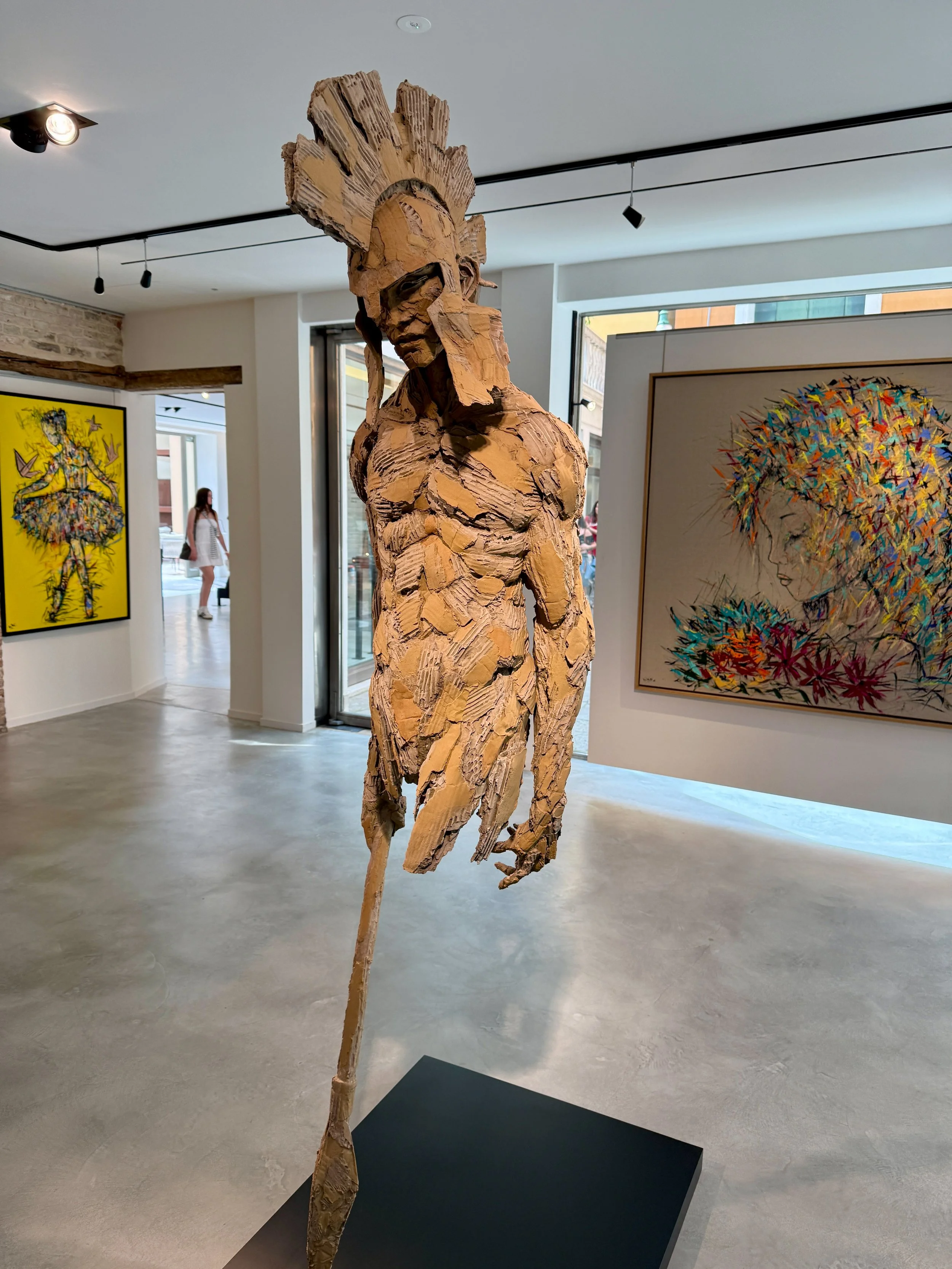
4. Meet the artists and artisans keeping Venice alive
Venice was built by guilds, and a handful of extraordinary workshops survive. Visiting them is the most meaningful (and most sustainable) money you can spend in Venice:
The squero di San Trovaso in Dorsoduro, one of the last working gondola boatyards, where gondolas are still built and repaired by hand.
The forcola makers — the sculptural walnut oarlocks unique to Venetian rowing, still carved by a few remaining masters.
Bookbinders and paper marblers, heirs to Venice's history as Europe's printing capital.
Murano's glass masters — more on them below.
Mask makers - Ca Del Sol and many others.
Fatto a Mano Travel curates these experiences for our clients to ensure they experience the authentic Venice. Every euro spent in these workshops votes for the Venice you came to see.
5. On the water: the honest truth about how Venetians get around
Let's clear up a romantic myth: locals don't glide around in water taxis. Venetians take the vaporetto — the public waterbus — and in high season they sometimes struggle to find a seat on their own transit system due to the influx of tourists. Kids commute to school by vaporetto. It's the city's bloodstream, and riding Line 1 down the Grand Canal at dawn, with commuters instead of crowds, is the best architecture tour in Europe for the price of a transit ticket.
So do both:
Ride the vaporetto for the real daily rhythm of the city (and take the traghetto — the standing gondola ferry locals use to cross the Grand Canal for a couple of euros).
Take a water taxi for pleasure. A private wooden taxi carving through the lagoon at golden hour is one of the great joys of Venice — and the drivers are local professionals whose livelihoods depend on visitors choosing them. This is exactly the kind of tourism Venice needs: direct, personal, supporting a Venetian family rather than a cruise line.
And if you want the deepest cut: learn voga alla veneta — rowing standing up, Venetian-style, in the quiet back canals.
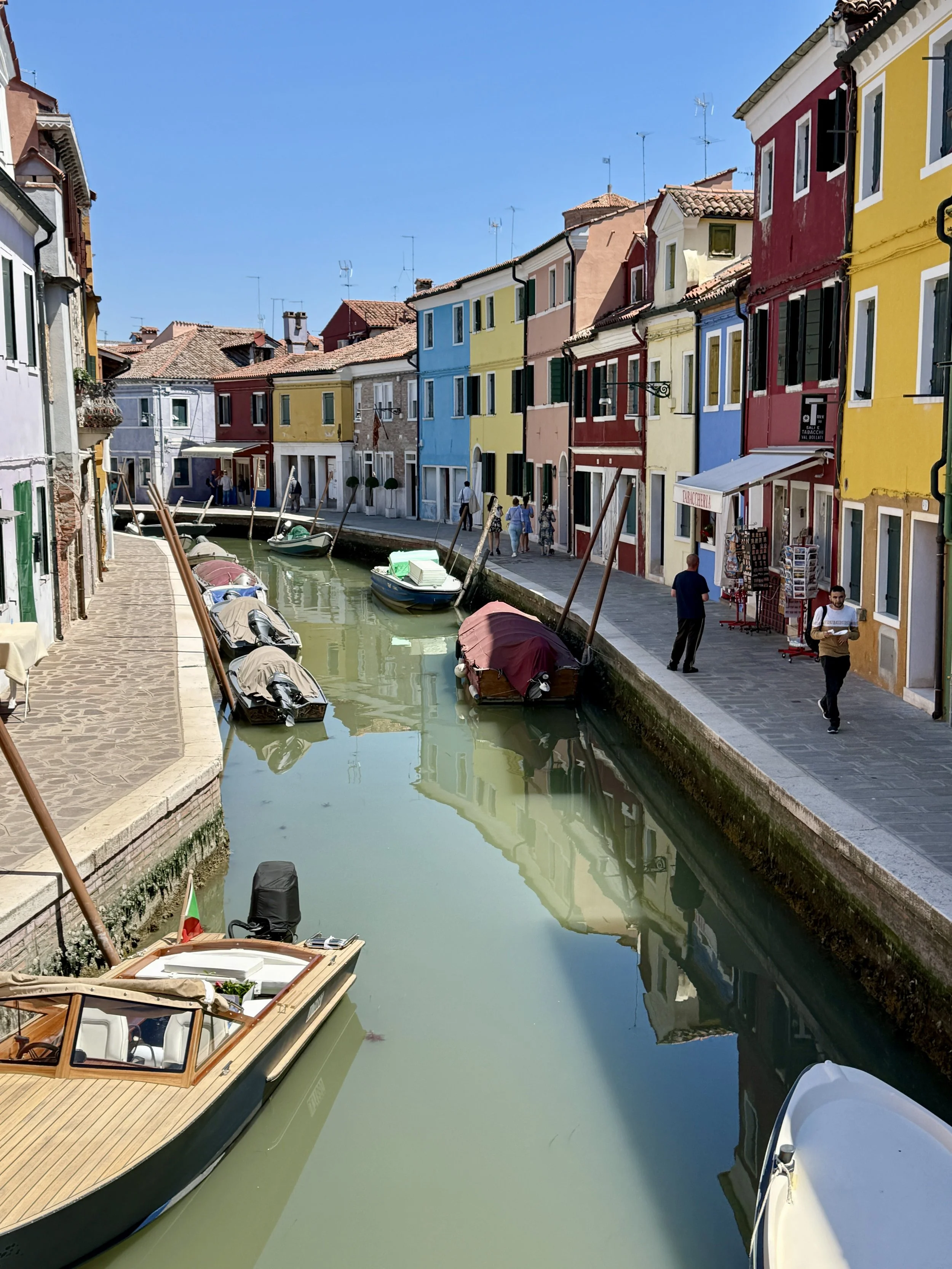
6. Out into the lagoon: Torcello, Burano, and Murano
The lagoon is not a side trip; it's the origin story. Give it a full day:
Torcello — where Venice began. Nearly deserted today, home to a 7th-century cathedral with Byzantine mosaics that predate San Marco, and to the silence of the original lagoon. Standing in that emptiness, you feel the fourteen centuries.
Burano — yes, the colored houses are as good as the photos. Go in late afternoon when the tour groups leave, and look for the last of the lace makers. Make sure to book a reservation at Trattoria Al Gatto Nero and enjoy one of the best meals of your life.
Murano — skip the free "demonstrations" that funnel cruise passengers into showrooms. Instead, visit the real working furnaces and galleries where glass is still art — masters like Massimiliano Schiavon, whose family has worked glass for generations and whose gallery shows what Murano is capable of when it isn't performing for tour groups. Buying directly from a true furnace supports an art form that overtourism is actively hollowing out.
7. Hire a private local guide — and skip the groups entirely
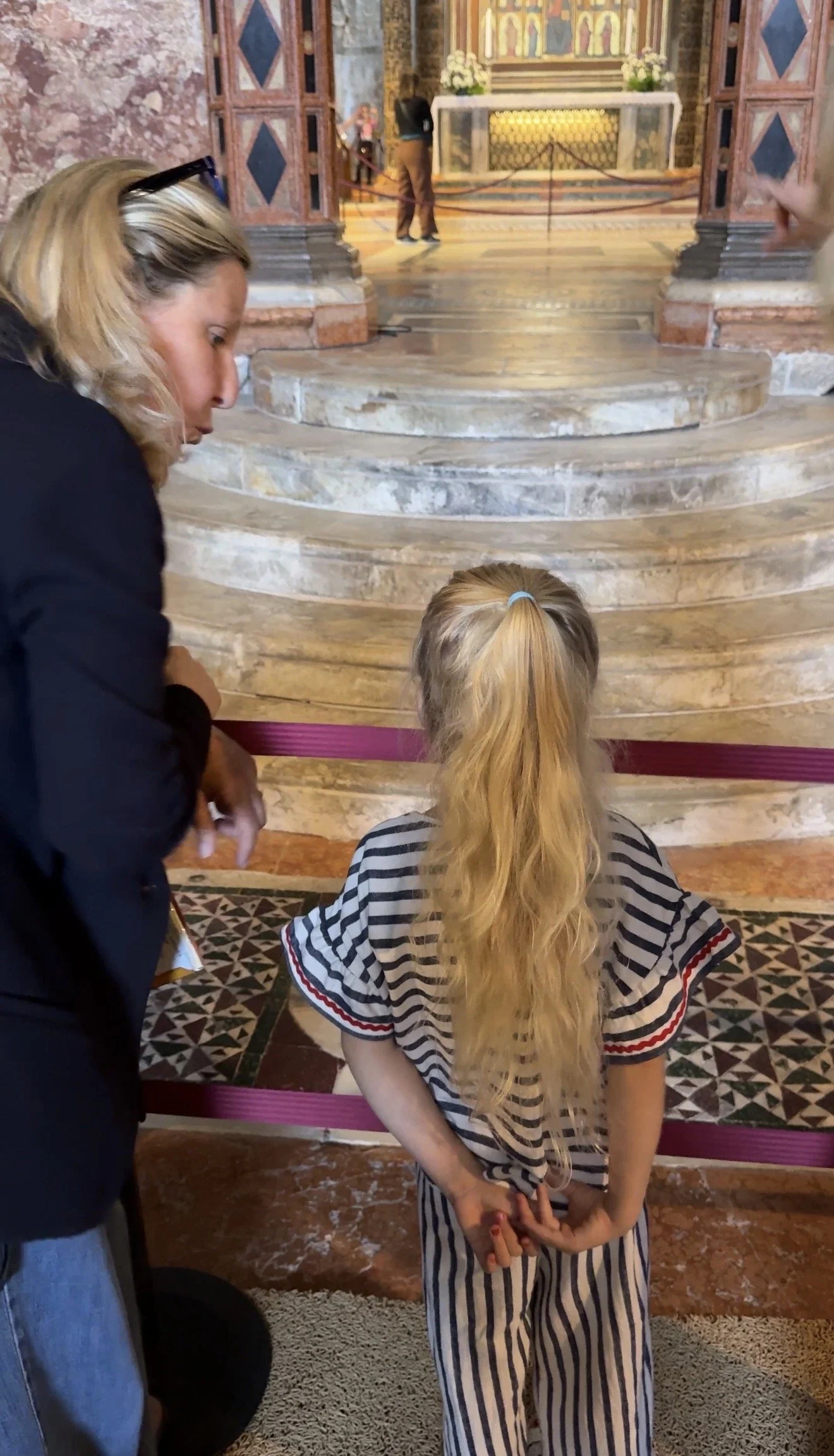
Nothing transforms Venice like walking it with someone who grew up there. A licensed private guide gets you past the queues, away from the umbrella-led flocks of fifty, and into the version of the city only residents see — the courtyard shortcuts, the workshop introductions, the stories attached to every well-head and walled-up door.
It's also one of the most direct ways to support the local community: your fee goes to a Venetian professional, not a tour conglomerate. In a city losing a thousand residents a year, that matters.
Fatto a Mano Travel pairs our clients with our trusted and personally vetted private guides — this is a core Fatto a Mano service.
8. Walk. Walk. Walk — until you're lost
Venice is a labyrinth, and the labyrinth is the attraction. Put the phone away and walk until you don't know where you are — in Venice you're never more than ten minutes from a landmark, so being lost is a feature, not a risk. The wrong turns are where the city actually lives: a campo with kids playing calcio, an osteria with no sign, a canal so quiet you can hear the water against the stone.
The day-trippers move in a conga line between San Marco and Rialto. A few streets away, in any direction, Venice is empty.
Side note - I tallied up all the walking on did on my most recent 2.5 week trip to Italy (including this week in Venice) and I walked 115 miles (185 km), so I’m truly speaking from experience.
9. Live in the myth
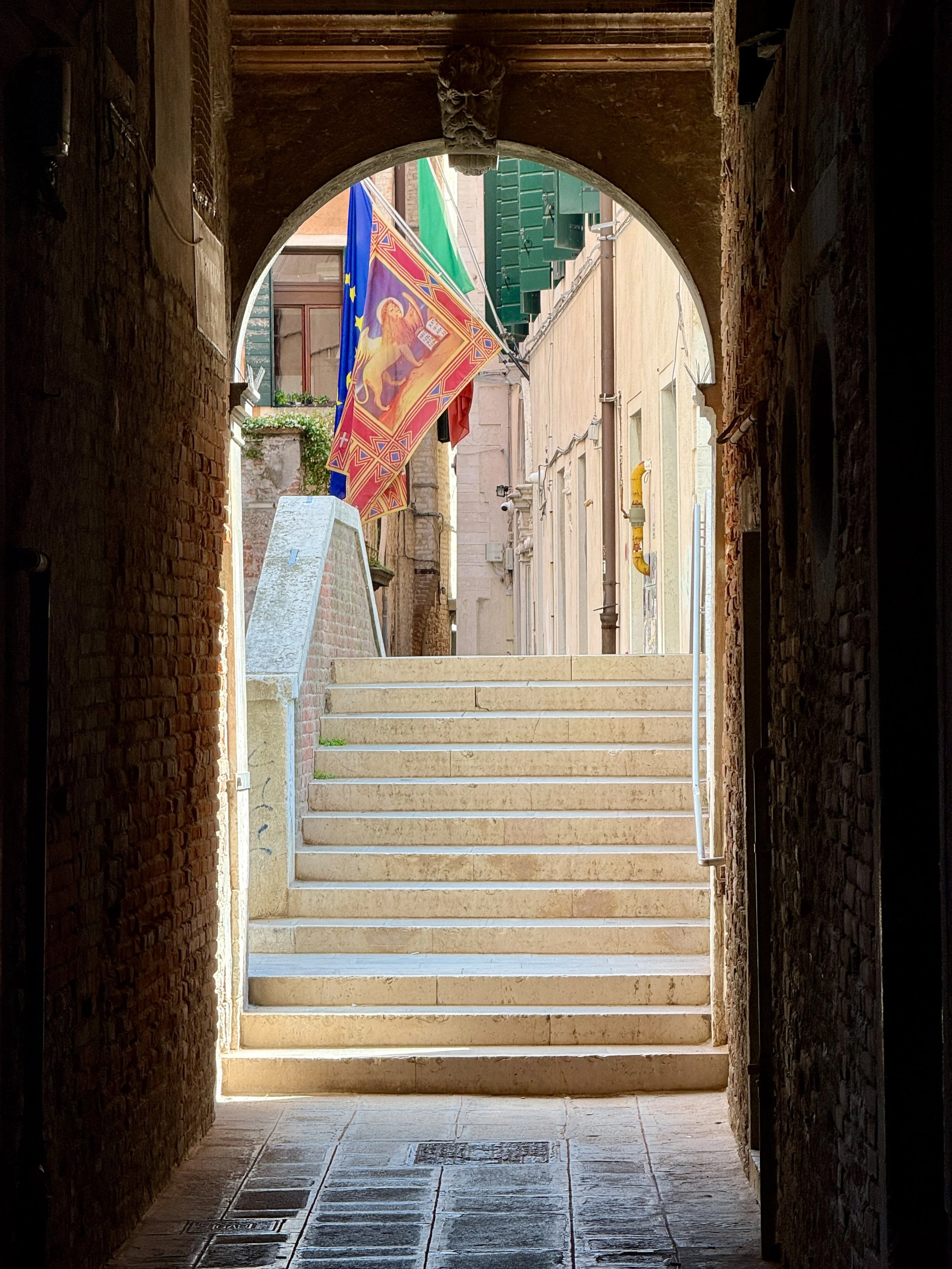
Here's the thing about Venice that no other city can match: it is built on legend, and the legend still drives the culture. The city's founding story is itself half-myth — refugees fleeing Attila into the marshes, building a republic on mud and water. Its patron saint arrived by heist: in 828, two Venetian merchants smuggled the relics of St. Mark out of Alexandria (hidden, the story goes, under a layer of pork to deter inspectors), and the winged lion of St. Mark became the symbol of an empire.
That mythic layer is everywhere once you look. The golden figure atop Punta della Dogana, turning with the wind, is Fortuna — the goddess of fortune, reminding a city of merchants and sailors that luck changes with the breeze. The pointed, lobed windows of the palazzi are Venetian Gothic, the fingerprint of a republic that faced East as much as West. Every corner shrine, carved patera, and bricked-up doorway has a story, and Venetians still tell them.
Don't just sightsee — read the legends before you go, then walk the city looking for them. Venice rewards travelers who arrive knowing the myth, because the myth is the operating system.
The honest truth
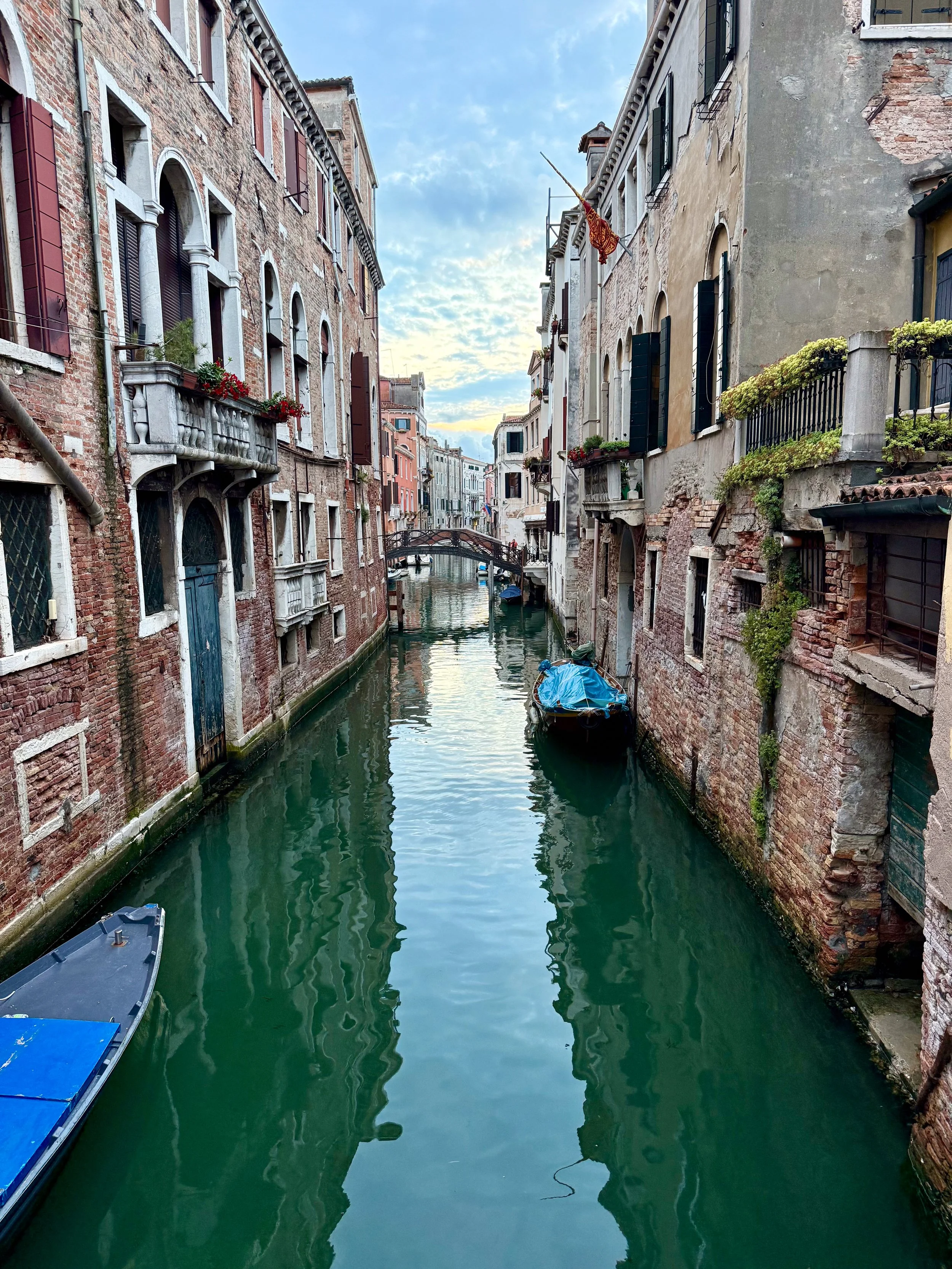
An authentic Venice experience isn't about finding "secret" places — it's about rhythm, and about which side of the city's struggle your money lands on. Sleep in the city. Eat standing up and book the great tables. Ride the vaporetto, then treat yourself to a water taxi. Spend your money with the guides, the glass masters, the boatmen. Walk until you're lost. And learn the myths, because in Venice the legend is the culture.
That's the Venice I design for my clients at Fatto a Mano Travel: the right sestiere, tables where you're the only foreigner in the room, private guides and artisan introductions, and a pace that lets the city open up to you. If that's the trip you want, I'd love to design it with you — every itinerary is fatto a mano: made by hand.
Author bio: Michael Gallagher is the founder of Fatto a Mano Travel. He has been traveling through Italy for 15 years, twice lived in Florence, speaks Italian, and returns every year.